Training · Oct 30, 2026
The dumbbell squat is the squat you can do without a rack
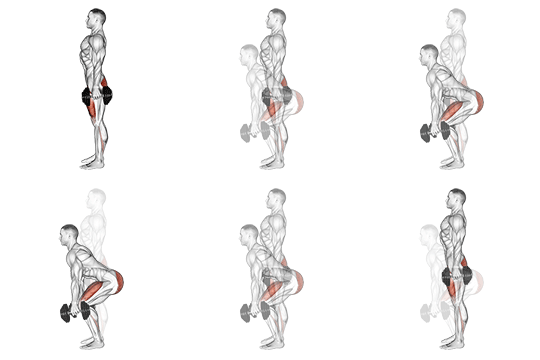
Two dumbbells and a chair-depth squat teach the legs to work together. Depth matters less than heels that stay down.
YourFit · Dumbbell squat · Quads, hamstrings, glutes
A barbell squat is a great lift and a lot of furniture. You need a rack, a bar, and enough practice to get under it. Two dumbbells let you sit between your feet and stand back up on the first day, which is why this is the squat YourFit puts in front of a new trainee.
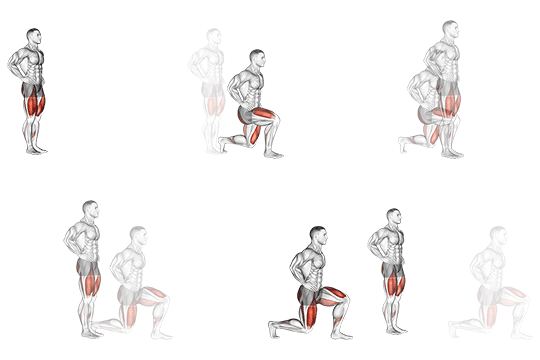
The gif is that version: a dumbbell in each hand, feet about shoulder width, hips moving back and down, then the floor pushed away. It is not a race to parallel for its own sake. The rep is good when the heels stay down, the knees follow the toes, and you can stand up without a bounce.
How to hold the dumbbells
Hold one dumbbell in each hand, arms straight, the weights beside the thighs. Do not hug them to the chest unless that is a different exercise you have decided to log on purpose. The arms are straps. The legs do the work. If the dumbbells swing forward at the bottom, they are pulling the chest down with them.
Feet about shoulder width, toes turned out a little if that lets the knees travel where they want to go. A narrow stance with the toes dead ahead often forces the knees to cave or the heels to rise. Stand tall before the first rep, chest up, eyes forward.
Depth is the depth you can own
Sit the hips back as if a chair were behind you, then down, until the thighs are approaching level or until the position starts to fall apart, whichever comes first. Heels stay glued to the floor for the whole rep. The back stays long. You do not need to touch the floor with anything, and you do not get extra credit for a depth that costs the heels.
Stand by pushing the floor away, not by bouncing out of the bottom and not by throwing the head back. At the top, the hips and knees are straight and the ribs are still down. Leaning back to finish the rep means the dumbbells won.
When the weight is lying to you
Knees that collapse inward are the usual confession. The dumbbells are too heavy, the stance is too narrow, or you are rushing the first inch. Cut the weight before you cut the depth. A lighter pair held for clean reps builds the squat. A heavier pair that folds the knees builds a habit you will have to unlearn under a bar later.
The other cheat is a good-morning: the hips shoot up, the chest stays down, and the rep finishes as a back extension with dumbbells. If the chest and the hips do not rise together, stop the set.
How it gets harder without a rack
Add a rep before you add weight, and only on a set that still looked like the gif. Then take the next pair of dumbbells. A pause at the bottom, two seconds, with the heels still down, is harder than another plate you cannot control. Slowing the lowering does the same job.
A goblet squat, one dumbbell at the chest, is a useful cousin when you want the front of the body to stay more upright. Log it as its own exercise. Do not mix goblet reps and dumbbell-at-the-sides reps in one history line and call the jump progress.
What to write down
Write the weight in each hand and the reps. Twenty kilograms a side for eight is not the same session as one twenty-kilogram dumbbell held at the chest for eight. The note is what makes next month comparable.
This squat is already on the starter workout, so the gif and the history line up. Next time, add a repetition or take the dumbbells one step heavier. That is the whole point of keeping the log.
What to watch
- Heels stay on the floor for the whole rep.
- Knees follow the toes. They do not collapse inward.
- Hips and chest rise together.
- Stand tall at the top. Do not lean back to finish.
- Log the weight in each hand, not a vague total.